Sleep & Recovery
6 min readSleep Foundations 101
The simple principles that support deeper, more consistent rest.
By Dr. Kostas Pisios, MD
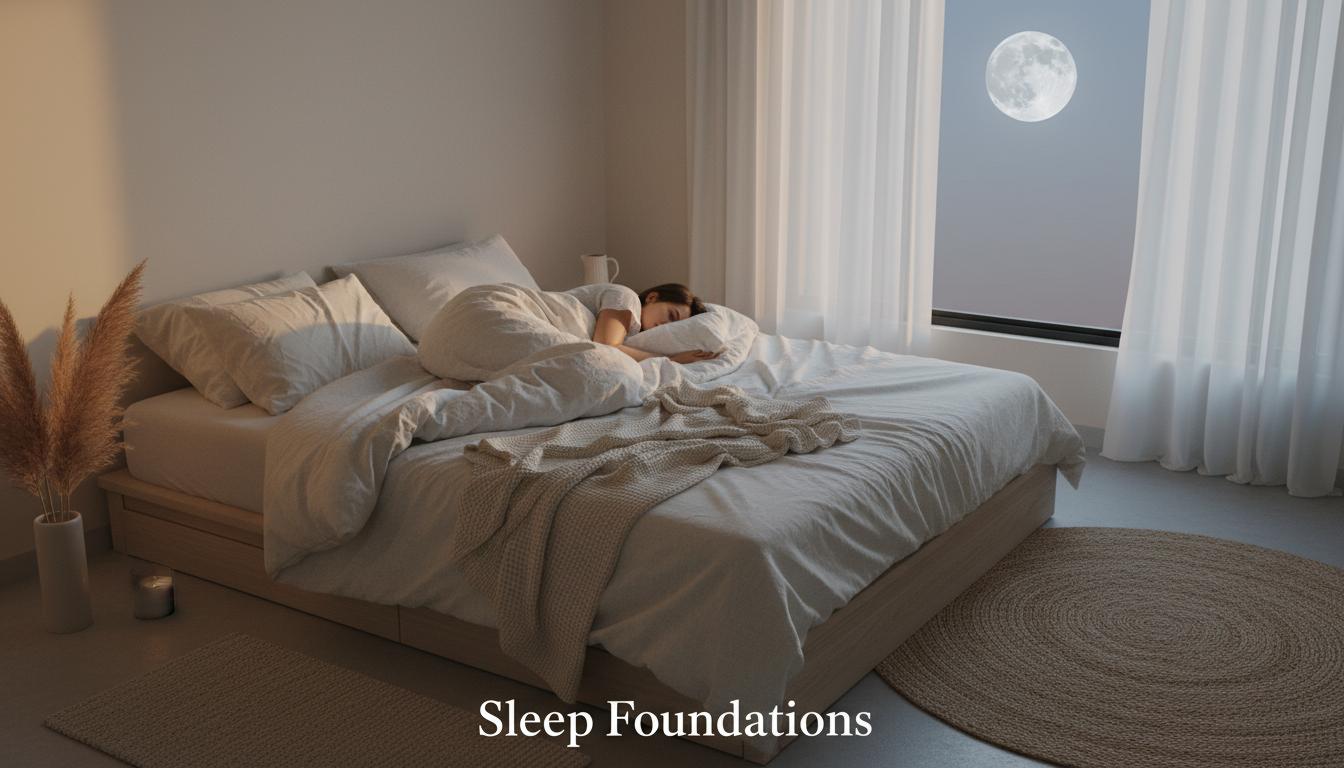
Sleep is not something you "hack." It is something you allow.
Before supplements, trackers, or advanced tools, there are foundational rhythms that shape how your body rests. When these foundations are stable, sleep becomes more natural. When they're inconsistent, even the best intentions struggle.
This guide walks you through the essentials.
1. Rhythm Before Perfection
Your body runs on timing. Going to bed and waking up at roughly the same time anchors your internal clock. The body loves predictability. Even a 30–60 minute consistency window can improve how quickly you fall asleep and how refreshed you feel.
Think rhythm, not rigidity.
2. Light Is the Master Signal
Morning light tells your brain: "It's time to be alert."
Evening light tells your brain: "Stay awake."
Natural daylight early in the day supports nighttime sleep pressure. In contrast, bright screens late at night can quietly delay it.
Simple shift:
- •Morning light exposure
- •Softer lighting in the evening
- •Gradual dimming before bed
Your nervous system reads light like language.
3. Stress Travels Into the Night
If your body feels "on guard," sleep becomes lighter. Unfinished thoughts, stimulation, late work, and emotional tension often show up as restless nights. The solution isn't forcing sleep. It's helping the body feel safe.
Foundational reset tools:
- •Slow breathing for 3 minutes
- •Closing the laptop before sunset when possible
- •A short wind-down ritual
- •Writing tomorrow's priorities before bed
Sleep improves when the mind stops scanning.
4. Caffeine Timing Matters
Caffeine doesn't just affect whether you fall asleep. It can affect sleep depth. For many people, earlier cutoffs feel different from late-afternoon use. You don't need to eliminate it — just experiment with timing and observe how your sleep responds.
Sleep awareness builds from patterns, not rules.
5. The Bedroom Is a Signal
Your environment teaches your body what to expect. Supportive signals include:
- •Cooler temperature
- •Minimal light
- •Reduced noise
- •No work activity in bed
Your brain associates spaces with states. Protect the bedroom as a recovery space.
6. Consistency Beats Optimization
You do not need a perfect routine. You need:
- •A consistent rhythm
- •Gentle light management
- •Stress downshifting
- •A simple wind-down ritual
Sleep becomes easier when your day supports it.
A Calm Reminder
Some nights will be lighter. That's human. What matters is the overall trend. When you support your foundations, your system learns to settle more easily.
Sleep is not forced. It is invited.
370+ articles on sleep, stress, energy, and more — in the Longivy app.
Back to Journal