Designed from years of listening to people.
Longivy wasn’t created by asking, “What can technology measure?” It began with a different question: “What do people experience every day that often goes unnoticed?”
Through years of working in preventive health, longevity, and wellness medicine, one pattern became clear: many people wanted to improve their wellbeing — but didn’t have a simple way to understand it.


People are more than medical results.
Medical tests are essential — they help diagnose disease and monitor physical health. But conversations often revealed something more.
People talked about their stress. Their sleep. Their energy. Their mood. Their confidence. Their daily routines. These experiences influence everyday wellbeing, yet they’re rarely viewed together in one place. Longivy was designed to bring these reflections together in a simple, structured way.

Small changes deserve attention.
Wellbeing usually changes gradually. Stress builds over weeks. Energy slowly fades. Recovery becomes less complete. Sleep feels less restorative.
People often adapt without noticing these small shifts. Regular reflection helps make those changes visible over time, allowing patterns to become easier to recognise.
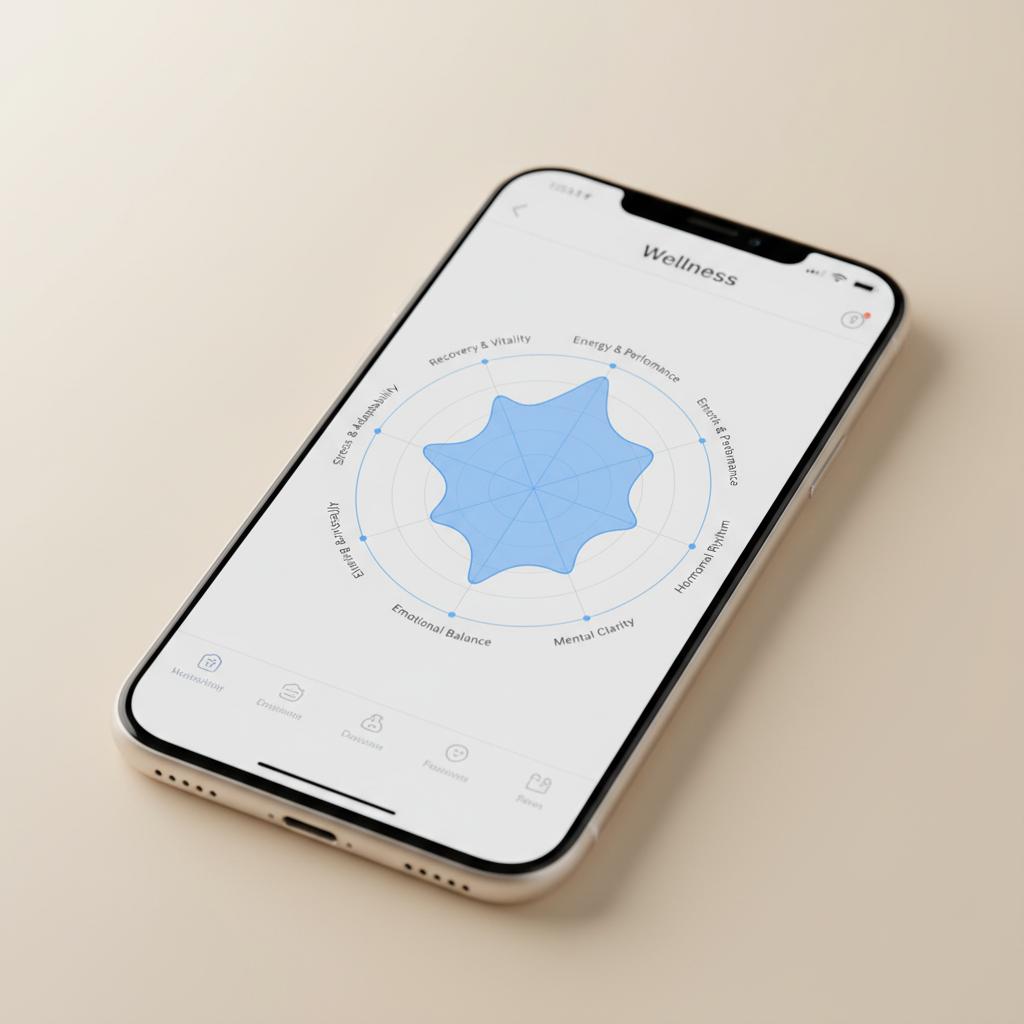
A holistic view.
Longivy encourages you to reflect on different aspects of your wellbeing, including:
- Emotional wellbeing
- Mental clarity
- Energy and recovery
- Lifestyle habits
- Body perception
- Biological rhythm

Technology supports the process.
Technology makes regular reflection easier. It organises information, shows trends, highlights patterns, and tracks change over time.
But understanding wellbeing begins with thoughtful questions. Longivy combines physician experience with technology to make those reflections easier to understand and more meaningful over time.
Built to help you understand yourself better.
Longivy doesn’t replace your doctor, medical advice, or wearable devices. Instead, it adds another important perspective: your own experience.
Because understanding how you feel today — and how that changes over time — is an important part of understanding your overall wellbeing.