What does it mean to be healthy?
Some think it’s having normal blood tests. Others think it’s having no disease. Some feel healthy because medication keeps a condition under control — others feel unwell despite normal results, because they’re exhausted, stressed, or constantly worried.
So what does “healthy” really mean? That question inspired the creation of Longivy.


Health and wellbeing are not always the same.
Imagine two people. The first has normal blood tests, no diagnosed disease, and is told everything looks fine — yet they feel constantly stressed, sleep poorly, and their energy is low.
The second lives with high blood pressure and diabetes, well managed. They take their medication, stay active, sleep well, and feel positive about life.
Ask both, “How healthy do you feel?” and their answers might surprise you. Medical health and everyday wellbeing don’t always tell the same story.

There was no simple way to measure wellbeing.
Throughout my career, I asked people a simple question: “How healthy do you think you are?” The answers were rarely based only on medical tests.
People spoke about their stress. Their sleep. Their mood. Their energy. Their confidence. Their daily habits.
I realised there was no simple way for people to understand how their overall wellbeing was changing. That idea became Longivy.
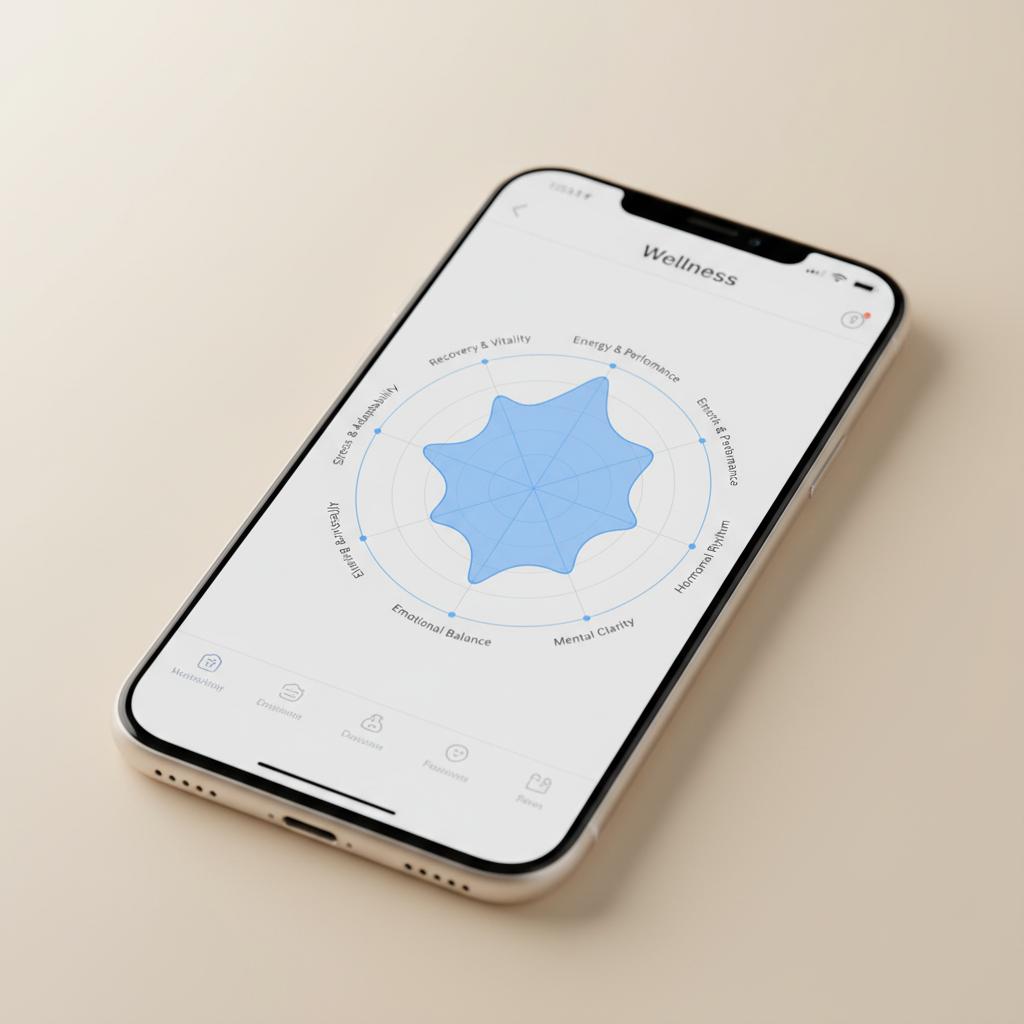
Longivy measures another important perspective.
Medical tests remain essential. They help identify disease and monitor physical health. Longivy adds another perspective — your everyday wellbeing.
How you feel. How you cope with stress. Your energy. Your mood. Your recovery. Your lifestyle.
Together, these reflections help you build a clearer picture of how your wellbeing changes over time.

Because wellbeing changes before we often notice it.
Stress usually doesn’t appear overnight. Neither does burnout. Or poor sleep. Or low energy.
Small changes accumulate gradually. We adapt. They become our new normal.
Regular reflection helps make those gradual changes visible — before they simply become part of everyday life.
Understanding your wellbeing starts with understanding yourself.
Longivy was created to help make wellbeing measurable. Not to replace medical care. Not to diagnose disease.
But to help you recognise how your wellbeing changes over time — and discover what appears to support it.