Sometimes the biggest changes are the ones we notice the least.
Very few people wake up one morning feeling completely different. Instead, change usually happens little by little.
Stress slowly becomes your normal. Energy gradually fades. Sleep feels a little less refreshing. Mood changes almost without you noticing — until one day you realise: “I don’t feel like I used to.”


Your body adapts. Your mind adapts. Your expectations adapt.
Humans are remarkably adaptable. We adjust to poor sleep. We adjust to higher stress. We adjust to feeling more tired. We adjust to having less energy.
What once felt unusual slowly becomes familiar — not because nothing changed, but because the change happened gradually.

Memory isn’t designed to measure gradual change.
How stressed were you three months ago? How energetic did you feel last spring? Was your sleep actually better last year?
Most people don’t know — not because they weren’t paying attention, but because memory remembers events, not gradual patterns.
Without measuring vs. with measuring.
The difference becomes clear the moment you start paying attention.
- Without measuring: “I think I’m okay.”
- With measuring: “My sleep has improved. My stress has fallen. My Health Score has increased.”
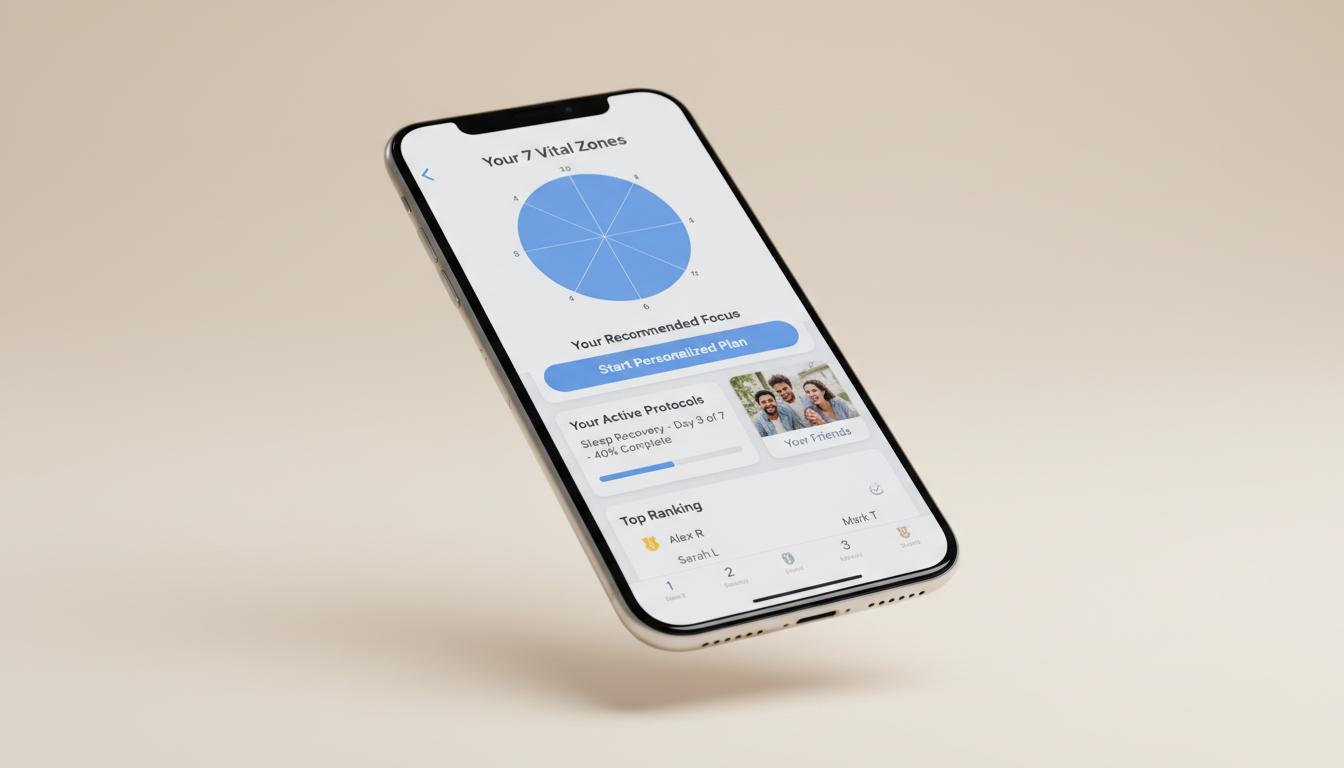
Measuring creates awareness.
When you reflect regularly, small changes become easier to notice. Patterns begin to appear. You start recognising what improves your wellbeing — and what slowly pulls it in the opposite direction.
Instead of relying on memory, you build a clearer picture over time. Because what becomes visible becomes easier to understand. And what you understand becomes easier to improve.
That’s why Longivy exists.
Longivy helps you measure your wellbeing through 25+ wellness markers, one personal Health Score, and simple daily reflections.
Not to diagnose. Not to replace your doctor. But to help you understand how your wellbeing changes over time.